
Understanding how insurance grace periods work helps you avoid coverage gaps, denied claims, and unexpected cancellations.
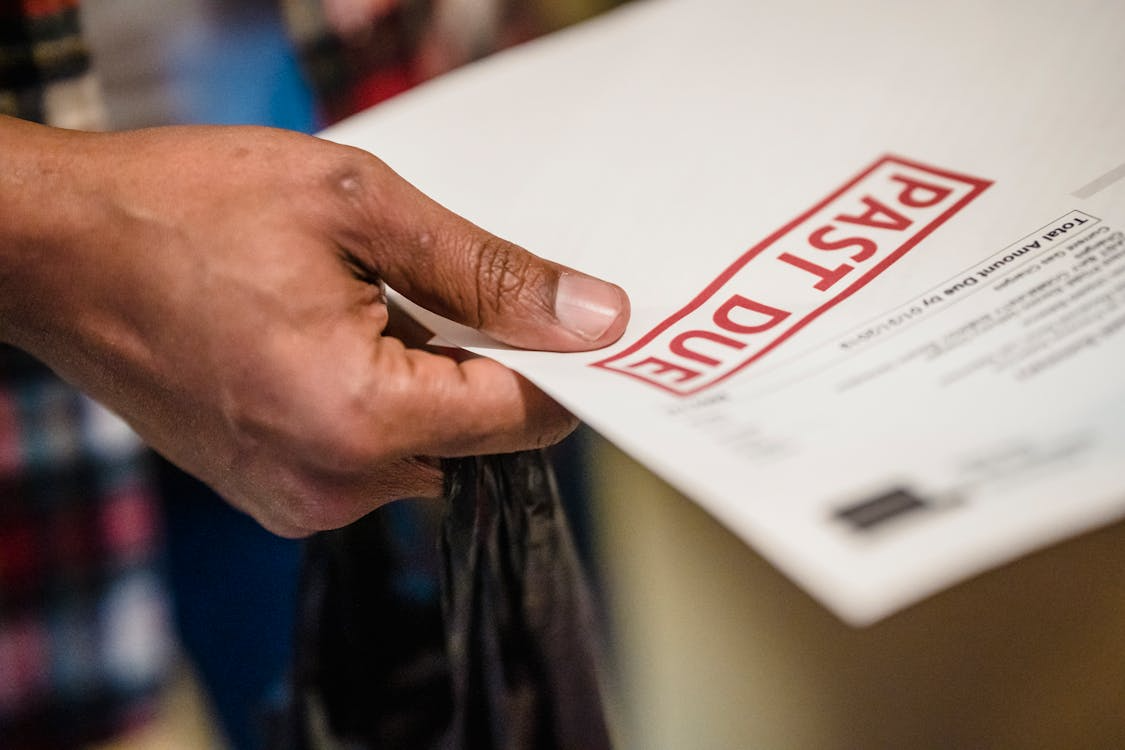
Missing an insurance payment is stressful, especially when you’re unsure whether coverage is still active. Many people assume a missed payment means immediate cancellation, while others believe grace periods offer unlimited flexibility.
The truth sits somewhere in between. Grace periods exist to provide short-term protection, but they come with strict rules and deadlines.
What a Grace Period Actually Is
A grace period is a limited window of time after a missed payment during which your policy remains active. This period allows you to catch up on payments without losing coverage.
Grace periods are not favors or extensions granted on a case-by-case basis. They are built into policy terms and regulated by state law. The length of the grace period varies by policy type and insurer, but it is always finite.
During this time, the insurer expects full payment, not partial payment or delayed negotiation.
See How Deductibles, Premiums, and Copays Really Work Together to understand cost structures.
Coverage During the Grace Period Is Conditional
Many people assume coverage during a grace period is guaranteed. In reality, it is conditional on payment being made within the allowed timeframe.
If a claim occurs during the grace period and the missed premium is later paid, coverage typically applies. If payment is not made and the policy lapses, the insurer may retroactively deny claims that occurred during that window.
This retroactive effect surprises many policyholders who believed they were protected simply because the grace period existed.
Grace Period Length Depends on Policy Type
Grace periods vary by insurance type. Health insurance policies often have longer grace periods than auto or homeowners policies, especially when premium subsidies are involved.
Auto and homeowners policies commonly have grace periods ranging from a few days to a few weeks. Life insurance policies may offer longer grace periods, but coverage can still lapse if payment is not received on time.
Assuming all policies follow the same grace rules is a common and costly mistake.
Explore Can You Change Insurance Mid-Policy? before making timing decisions.
What Happens After the Grace Period Ends
Once the grace period expires without payment, the policy typically lapses. This means coverage ends, sometimes retroactively to the missed payment date.
A lapsed policy can create serious problems. Claims occurring after lapse are not covered, and reinstating coverage may require underwriting review, higher premiums, or upfront payment.
In some cases, reinstatement is not guaranteed, especially if claims activity or risk factors have changed.
Notices and Communication Matter
Insurers are usually required to send notices when payments are missed and when cancellation is approaching. However, receiving a notice does not extend the grace period.
Missed emails, outdated mailing addresses, or ignored notifications do not pause deadlines. Policyholders are responsible for knowing their payment schedules regardless of reminders.
Relying on notices rather than tracking payments personally increases the risk of an accidental lapse.
Learn How Claims History Impacts Future Premiums to understand long-term effects.
Grace Periods Do Not Reset Automatically
Another common assumption is that making a late payment resets the policy as if nothing had happened. In reality, repeated late payments can affect eligibility, billing options, or renewal terms.
Some insurers restrict payment methods or shorten grace periods after multiple missed payments. Chronic lateness signals higher administrative risk, even if the claims history is clean.
Grace periods are safety nets, not routines.
Read Are Loyalty Discounts Really Worth Staying For? to evaluate long-term savings tradeoffs.
How to Protect Yourself From Lapses
The best protection is automation. Setting up automatic payments reduces the chance of missing deadlines entirely.
If financial hardship arises, contacting the insurer before the due date is far more effective than waiting until the due date. Options may exist, but they are limited once the grace period begins.
Understanding how insurance grace periods work turns a momentary mistake into a manageable issue instead of a coverage-ending crisis.