
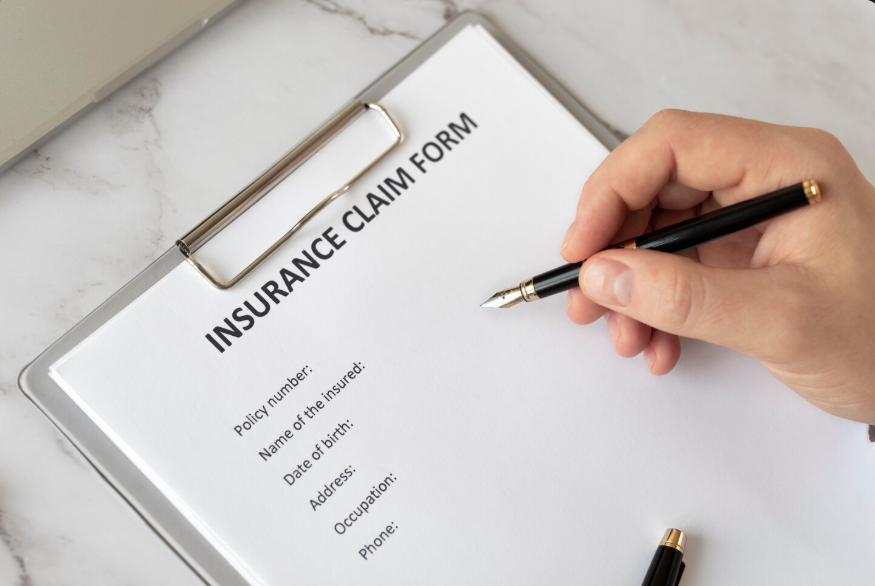
Understanding how to prepare for an insurance claim before you need to file a claim helps protect both coverage and peace of mind.
Most insurance stress happens after a loss, when emotions are high, and decisions must be made quickly. Preparing for a claim in advance turns a chaotic situation into a manageable process.
While no one plans to file a claim, preparation significantly improves outcomes when something does go wrong.
Documentation Makes or Breaks Claims
Documentation is the backbone of every insurance claim. Photos, videos, receipts, and records establish what existed before the loss and what was damaged.
For property insurance, keeping a home inventory with photos and estimated values makes a dramatic difference during claims. Without proof, insurers may rely on depreciation assumptions or limited estimates.
Documentation does not create coverage, but it supports payment.
Learn What Insurance Actually Covers Versus What People Assume It Covers to avoid documentation gaps.
Know Your Policy Before a Loss Occurs
Reading a policy for the first time during a claim is a recipe for frustration. Coverage limits, deductibles, exclusions, and valuation methods should be understood beforehand.
Knowing whether coverage is replacement cost or actual cash value affects expectations immediately. Understanding exclusions prevents wasted time pursuing denied claims.
Clarity before loss reduces conflict after loss.
Check out How Grace Periods Work If You Miss a Payment to understand timing flexibility.
Understand Your Deductibles and Limits
Knowing how much you must pay out of pocket helps guide decisions during a claim. High deductibles may make small claims impractical.
Understanding limits helps set realistic expectations for large losses. Without this knowledge, claim outcomes often feel unfair, even when they comply with policy terms.
Preparation includes financial readiness.
See Common Insurance Exclusions People Miss to identify overlooked policy limitations.
Keep Contact Information Accessible
After a loss, access to insurer contact information matters. Claims hotlines, policy numbers, and agent details should be easy to find.
Delays in reporting can complicate claims. Having information readily available speeds the process.
Preparation reduces downtime.
Maintain Property to Avoid Disputes
Insurance covers sudden, accidental loss, not neglect. Proper maintenance reduces the risk of denied claims due to wear and tear or negligence.
Keeping maintenance records can help demonstrate reasonable care. This matters when the cause of loss is questioned.
Maintenance supports credibility.
Understand Reporting Timelines
Most policies require prompt reporting of losses. Waiting too long can jeopardize coverage.
Understanding the insurance claim process in advance ensures claims are filed appropriately and within required windows.
Preparedness includes timing awareness.
Know When to File and When Not To
Not every loss should become a claim. Small losses close to the deductible may be better handled out of pocket.
Understanding how claims history affects premiums helps guide this decision. Strategic use of insurance preserves long-term affordability.
Preparation includes judgment.
Learn How Claims History Impacts Future Premiums before filing smaller losses.
Digital Backups Protect Records
Storing documents digitally and backing them up ensures access even if physical records are destroyed.
Cloud storage, email backups, and external drives prevent total information loss during disasters.
Preparedness extends beyond insurance.
Preparation Turns Chaos Into Process
Insurance claims are procedural, not personal. When you prepare for an insurance claim in advance, the process becomes manageable rather than overwhelming.
Preparation does not prevent loss. It prevents confusion.
Insurance works best when you are ready before the unexpected happens.