
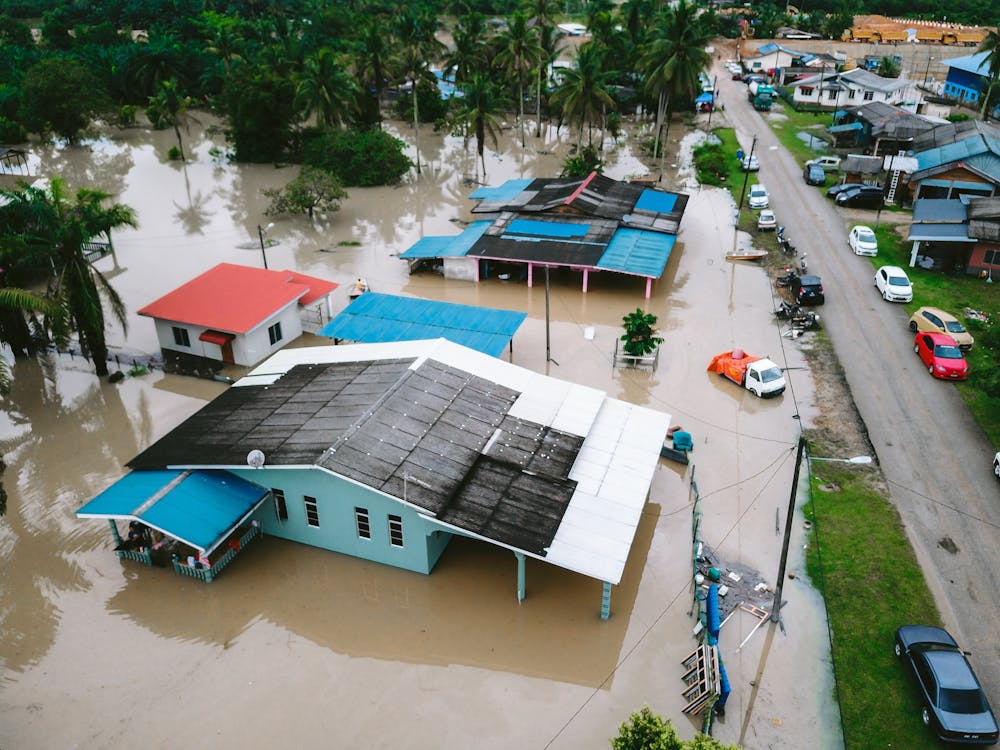
Understanding how flood insurance works helps homeowners decide whether they are exposed to risks they have not planned for.
Flood damage is one of the most misunderstood risks in homeownership. Many homeowners assume flood damage is included in standard homeowners insurance, especially if they do not live near water. That assumption is costly.
So, does homeowners’ insurance cover floods? Flood insurance is usually separate, specific, and governed by rules that differ from typical property coverage.
Standard Homeowners Insurance Does Not Cover Flooding
Most homeowners’ insurance policies exclude flood damage entirely. The exclusion covers water rising from outside the home, storm surge, overflowing rivers, and surface water buildup.
Heavy rain or a major storm doesn’t change that. Unless you carry flood insurance, your policy won’t pay for flood-related losses, even if your home sits outside a designated high-risk area.
Insurers deny many flood claims because homeowners assume the policy will treat flooding like other types of water damage.
See What Homeowners Insurance Typically Covers to compare standard protections.
Flood Risk Exists Beyond High-Risk Zones
Flood insurance often feels tied to official flood zones, but flooding can hit almost anywhere. When drainage systems fail, heavy rain falls fast, or local infrastructure gets overwhelmed, water can flood homes far from rivers or coastlines.
Many flood claims actually come from homes outside high-risk zones. Homeowners in these areas often go without coverage because lenders don’t require it, which leaves them unprepared when water rises.
Flood maps show past patterns, but they don’t guarantee safety.
Flood Insurance Is Usually Purchased Separately
Homeowners usually buy flood insurance as a standalone policy, either through government-backed programs or private insurers. The policy can cover the home’s structure and, if you choose, your belongings.
Choose building coverage to help pay for structural repairs, and add contents coverage to protect personal items. Select both on purpose, because one does not automatically include the other.
Expect a waiting period before the policy takes effect, so coverage won’t start the day you purchase it.
Read Common Insurance Exclusions People Miss to uncover other coverage gaps.
What Flood Insurance Covers
Flood insurance generally covers damage caused by rising water entering the home. This can include damage to foundations, walls, electrical systems, appliances, and certain built-in features.
Contents coverage may apply to furniture, clothing, and personal items, but with limits and restrictions. Basements and below-ground areas often have reduced coverage for contents.
Insurance coverage focuses on restoration, not upgrades or full replacement of all property.
What Flood Insurance Does Not Cover
Flood insurance does not cover temporary living expenses, landscaping damage, or improvements beyond basic restoration. Loss-of-use coverage is typically excluded.
Vehicles damaged by flooding are not covered under flood insurance, but may be covered under auto insurance with comprehensive coverage.
Understanding exclusions prevents assumptions about full recovery after a flood.
Cost Factors and Premium Considerations
Insurance costs depend on location, elevation, structure type, and coverage limits. Homes in higher-risk areas generally pay more, but premiums can still be manageable depending on mitigation measures.
Elevation certificates, flood-proofing, and building design can influence pricing. Cost should be weighed against potential loss, not just likelihood.
Flood damage is often total damage, not partial.
Explore Why Insurance Policies Change Every Year to understand premium adjustments.
When Flood Insurance Makes Sense
Flood insurance makes sense whenever flood damage would be financially devastating. This includes homes near water, properties in flat or low-lying areas, and regions experiencing more frequent extreme weather.
Waiting until flooding seems imminent is too late. Coverage must be in place before the risk becomes obvious.
Flood insurance turns an unpredictable disaster into a manageable financial event.
Learn When Bundling Insurance Makes Sense and When It Doesn’t to evaluate savings without coverage gaps.
Why Flood Coverage Requires Intentional Planning
Flood risk is invisible until it is not. Homeowners who rely on standard insurance often discover gaps when recovery becomes urgent.
Understanding the basics of flood insurance allows homeowners to make deliberate decisions rather than reactive ones. Coverage that feels unnecessary today may be essential tomorrow.
Remember, flood insurance is not about fear, but about preparedness.