
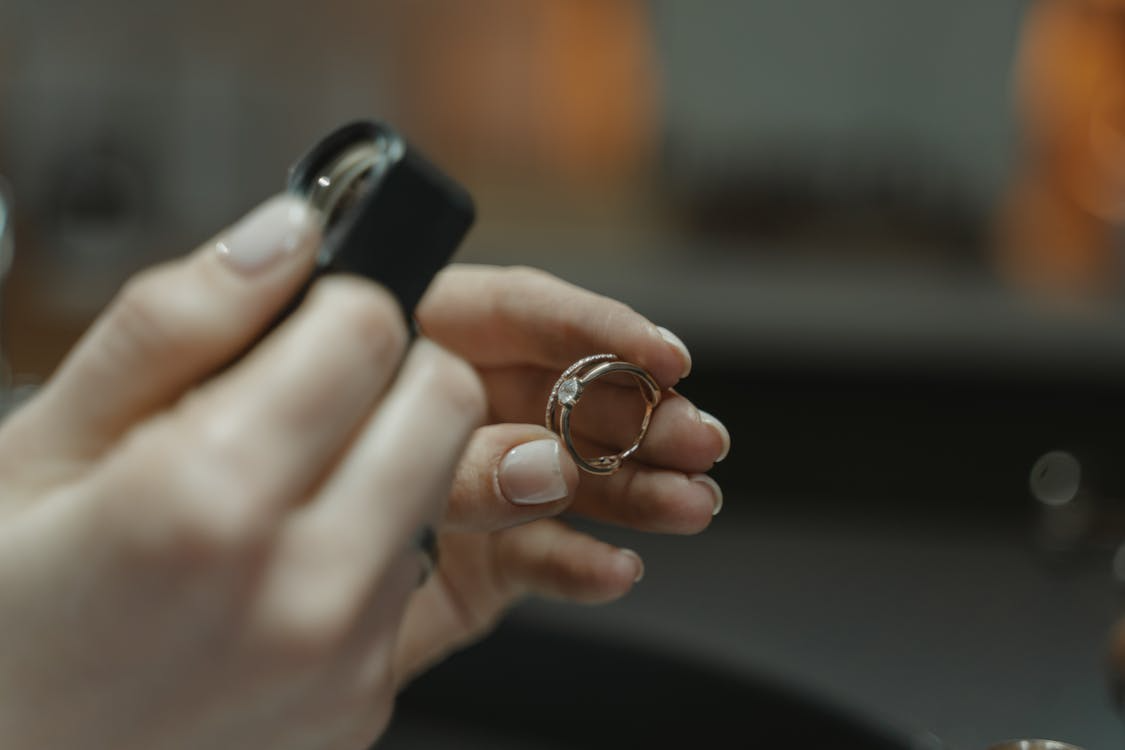
Understanding how insurance for high-value items works helps you decide when standard coverage is sufficient and when additional protection is needed.
High-value items are often the first place insurance coverage quietly falls short. Jewelry, collectibles, electronics, fine art, and specialty equipment may technically be “covered” under standard policies, but usually at limits far below their true value.
Many people discover this gap only after a loss, when reimbursement is capped, and replacement becomes unexpectedly expensive.
Standard Policies Include Sub-Limits for High-Value Items
Most homeowners and renters insurance policies include sub-limits for certain categories of personal property. These limits apply even when the overall personal property coverage amount seems high.
For example, jewelry, watches, firearms, electronics, and collectibles often have much lower caps per category. A policy may cover personal property up to a large total amount, but restrict jewelry coverage to only a few thousand dollars.
These sub-limits are one of the most commonly overlooked coverage gaps.
Read What Insurance Actually Covers Versus What People Assume It Covers to understand coverage gaps.
High-Value Items Face Unique Risks
High-value items like gold jewelry are often targeted for theft, damaged during travel, or affected by specialized risks. Standard policies are designed for general household goods, not items that require appraisal, specialized repair, or market-based valuation.
Collectibles, artwork, and instruments may fluctuate in value over time. Standard policies typically do not account for appreciation, rarity, or specialized replacement needs.
Insurance treats these items differently because their loss patterns and costs differ from those of everyday belongings.
Scheduled Personal Property Offers Expanded Protection
Scheduling an item involves listing it individually on a policy with a declared value. This approach removes sub-limits and provides broader coverage.
Scheduled items are often covered for a wider range of losses, including accidental damage and mysterious disappearance. Deductibles may be lower or waived entirely for scheduled property.
Scheduling ensures that coverage reflects the item’s actual value rather than a generic category limit.
See Umbrella Insurance and Who Should Consider It for broader asset protection strategies.
Appraisals and Documentation Are Essential
Insuring high-value items properly requires documentation. Appraisals, receipts, photographs, and serial numbers help establish value and ownership.
Insurers typically require appraisals for items above certain thresholds. These appraisals may need to be updated periodically to reflect the current market value.
Without documentation, claims can be delayed, disputed, or paid at reduced amounts.
Electronics and Specialty Equipment Need Special Attention
High-end electronics, photography gear, musical instruments, and professional equipment often fall into coverage gray areas. Business use can further complicate coverage.
Standard policies may limit or exclude coverage for items used professionally, even if owned personally. Specialized endorsements or separate policies may be required.
Assuming electronics are fully covered simply because they are expensive is a common mistake.
Explore Auto Insurance Coverage Types You Actually Need to compare broader protection structures.
Deductibles and Valuation Methods Matter
High-value item claims are affected by the method used to calculate value. Replacement cost versus actual cash value can dramatically change payouts.
Scheduled items usually avoid depreciation, while unscheduled items may be subject to it. Deductibles can also reduce reimbursement significantly.
Understanding how claims are settled is just as important as knowing coverage exists.
When Separate Policies Make Sense
For collections, fine art, or valuable equipment, standalone policies may provide better protection than endorsements. These policies are designed specifically for high-value property and often include specialized coverage terms.
They may offer broader protection, higher limits, and expert claims handling tailored to the item type.
Separate policies add cost but also clarity and precision.
Learn The Difference Between Replacement Cost and Actual Cash Value to understand payout calculations clearly.
Why High-Value Items Require Intentional Coverage
High-value items concentrate financial risk into a few items. Losing one item can represent years of saving or irreplaceable value.
Insurance works best when coverage reflects what matters most. Assuming standard policies will handle exceptional items leads to predictable disappointment.
Intentional coverage turns high-value ownership into manageable risk rather than fragile optimism.