
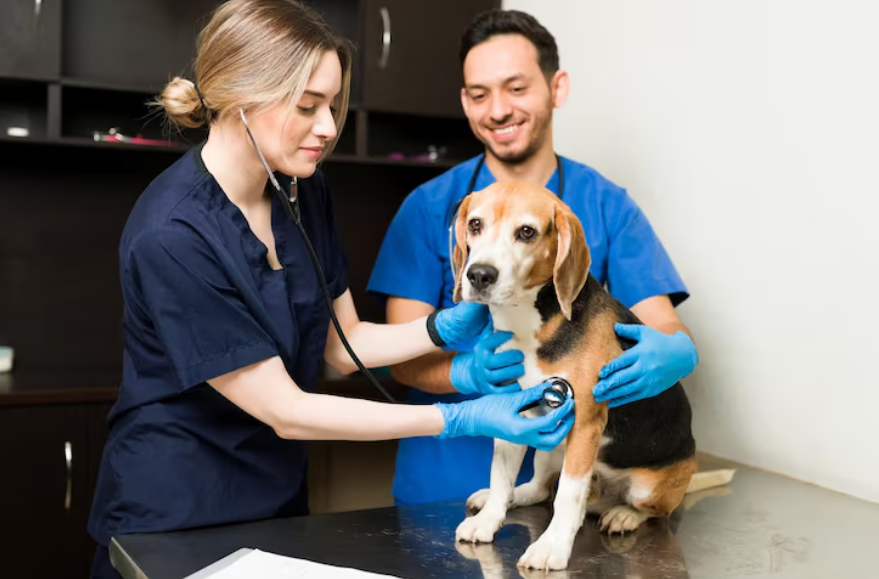
Pet insurance is designed to reimburse certain veterinary expenses, not eliminate costs.
Pet insurance is often purchased with the hope that it will prevent difficult financial decisions during a medical emergency. While it can be extremely helpful, pet insurance does not work like human health insurance, and assumptions about coverage frequently lead to disappointment.
Understanding what pet insurance covers, and what it usually excludes, helps pet owners decide whether a policy fits their needs.
What Pet Insurance Commonly Covers
Most pet insurance policies focus on accidents and illnesses. This can include emergency care, surgeries, diagnostic testing, hospitalization, and prescription medications related to covered conditions.
Many plans also cover chronic conditions once they are diagnosed, provided they were not present before the policy began. This means that ongoing treatment for conditions such as diabetes or allergies may be reimbursed after the initial diagnosis.
Coverage typically applies only after deductibles and reimbursement percentages are applied, meaning pet owners still pay upfront and receive reimbursement later.
Explore How Deductibles, Premiums, and Copays Really Work Together to understand cost-sharing.
Preventive and Routine Care Is Often Optional
Routine care, such as vaccinations, annual exams, flea prevention, and dental cleanings, is usually not included in standard pet insurance policies.
Some insurers offer wellness or preventive add-ons, but these increase premiums and function more like budgeting tools than insurance. They help spread predictable costs over time rather than protect against emergencies.
Assuming routine care is automatically covered is one of the most common misunderstandings among first-time buyers.
Pre-Existing Conditions Are Almost Always Excluded
Pre-existing conditions are the most significant limitation of pet insurance. Any condition your pet showed symptoms of or received treatment for before coverage began is typically excluded permanently.
This includes issues that seem minor or resolved. Once something appears in veterinary records, insurers often classify it as pre-existing.
Because of this, pet insurance provides the most value when purchased early, before health issues arise.
Coverage Limits and Reimbursement Rules Matter
Pet insurance policies include annual limits, per-incident limits, or lifetime caps. Once those limits are reached, coverage stops until the next policy period or permanently.
Reimbursement percentages also vary. A policy may reimburse 70%, 80%, or 90% of eligible expenses after the deductible is met. This means pet owners still share costs.
Many people focus on monthly premiums and overlook how limits and reimbursement rates affect real payouts.
See When Paying Out of Pocket Makes More Sense Than Filing a Claim before submitting smaller claims.
What Pet Insurance Usually Does Not Cover
In addition to pre-existing conditions and routine care, most pet insurance policies exclude breeding-related costs, cosmetic procedures, and elective treatments.
Behavioral training, grooming, and non-medical expenses are typically excluded. Some policies also limit coverage for alternative therapies unless specifically included.
Reading exclusions carefully is essential, as emotional expectations often exceed contractual coverage.
Read Travel Insurance: When It’s Worth Buying to compare temporary coverage decisions.
Why Pet Insurance Feels Different From Other Insurance
Pet insurance is reimbursement-based, not provider-based. You usually pay the vet directly and submit a claim afterward.
This structure surprises many people who expect immediate coverage at the point of care. While reimbursement reduces long-term cost, it does not remove the need for upfront funds.
Understanding this process prevents frustration during emergencies.
When Pet Insurance Makes Sense
Pet insurance makes the most sense for owners who want protection against large, unexpected veterinary bills and can handle upfront payments temporarily.
It is especially valuable for younger pets, breeds prone to medical issues, and households without large emergency funds.
Pet insurance does not guarantee affordability, but it can make difficult decisions less financially driven.
Check out Insurance Mistakes First-Time Buyers Make before choosing a policy.
How to Decide If Pet Insurance Is Right for You
Choosing pet insurance is about risk tolerance, not love or responsibility. Some owners prefer saving money independently, while others value predictable reimbursement.
The right choice depends on financial flexibility and comfort with uncertainty. Knowing what pet insurance actually covers allows pet owners to choose clarity over assumption.